Upholstery Cleaning Tips for Pet Owners
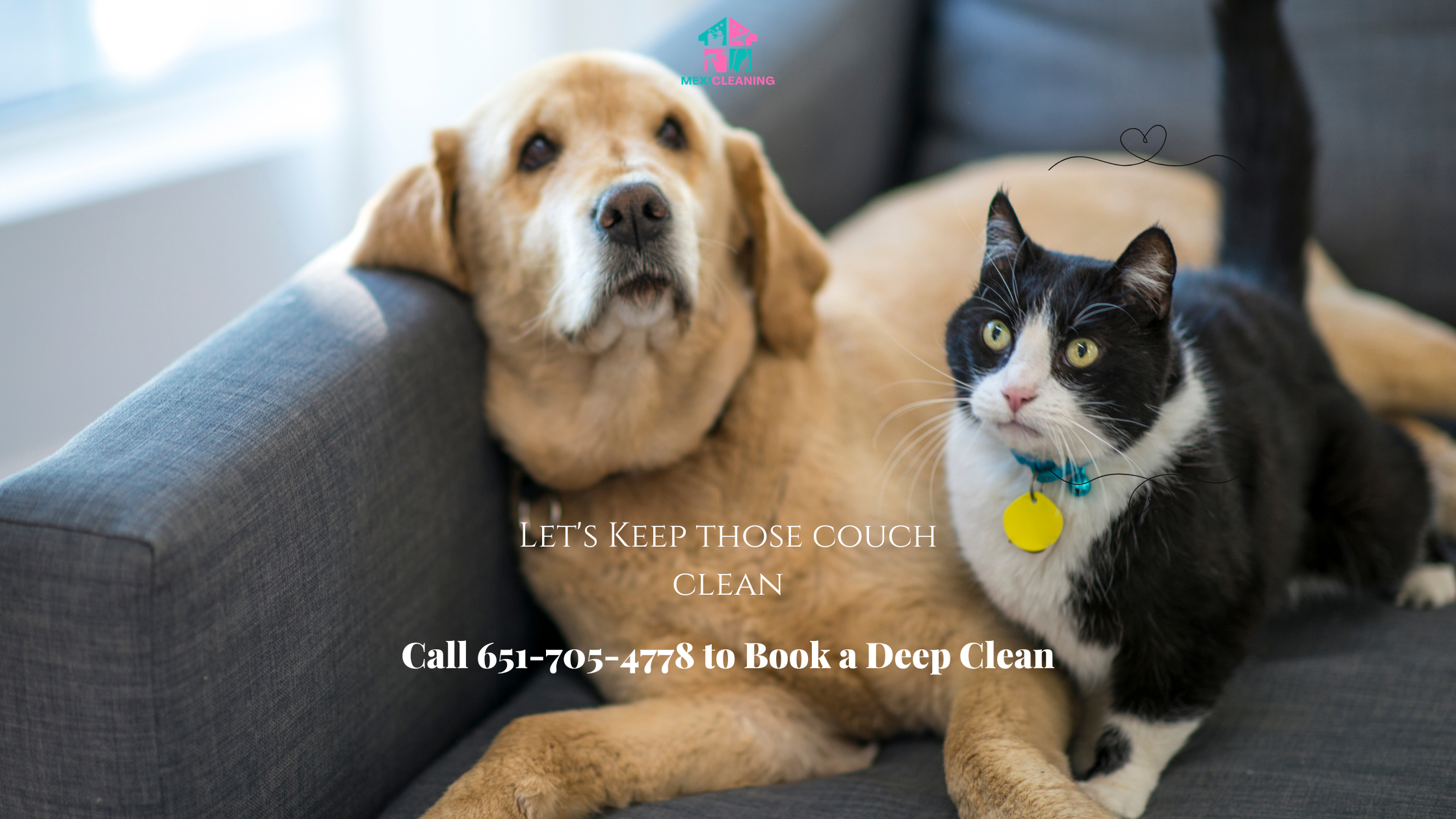
Pets bring joy and companionship to our lives. However, they can also bring challenges, especially when it comes to keeping upholstery clean. Pet hair, stains, and odors can quickly accumulate on furniture. This can make it difficult to maintain a fresh and inviting home.
Regular cleaning is essential for pet owners. It helps to keep upholstery looking its best. But where do you start? With the right tips and tools, you can tackle these challenges effectively.
Pet stain removal is a common concern. Quick action is key to preventing permanent damage. Using the right cleaning solutions can make a big difference.
Pet hair removal is another frequent issue. Simple techniques can help you manage shedding and keep furniture hair-free.
Pet-friendly cleaning methods are crucial. They ensure your pets' safety while maintaining cleanliness.
In this guide, we will explore practical upholstery cleaning tips. These tips are designed specifically for pet owners.
By following these strategies, you can enjoy a clean home with your furry friends.
Common Upholstery Challenges for Pet Owners
Pets love to snuggle on furniture, but this can lead to issues. Frequent pet activity on upholstery introduces hair, dirt, and odors. Understanding these challenges helps in addressing them.
Pet hair is especially tough. It embeds itself into fabric fibers and becomes hard to remove. Regular vacuuming and using the right tools can minimize this problem.
Stains from accidents are another common issue. Pet urine and vomit can also lead to lasting damage. Quick response with appropriate cleaning solutions is crucial to prevent stains from setting.
Odor buildup is also a concern. Even when stains are removed, lingering smells can remain. Natural deodorizers and routine cleaning help tackle this problem.
Here are key challenges pet owners face:
Pet hair buildup
Stain removal difficulties
Persistent odors
Facing these challenges doesn't have to be daunting. With informed strategies, maintaining clean and fresh upholstery becomes manageable. In the following sections, we delve into specific solutions for each issue.
Essential Tools and Supplies for Pet-Friendly Cleaning
Proper tools make cleaning upholstery much easier for pet owners. Having the right supplies on hand ensures quick and effective cleaning. Preparation is key to keeping your furniture fresh and inviting.
Investing in a good vacuum cleaner with a pet hair attachment is essential. This tool helps in removing hair and dust buildup efficiently. Lint rollers and rubber gloves are great additions for grabbing pet hair off surfaces quickly.
A variety of cleaning solutions are necessary. Enzyme-based cleaners are excellent for breaking down stains and odors. Baking soda serves as a natural deodorizer, while a vinegar-water mix provides a gentle, pet-friendly cleaning option.
Here are essential tools and supplies:
High-quality vacuum cleaner with pet attachment
Lint rollers or rubber gloves
Enzyme-based cleaner
Baking soda
Vinegar and water solution
Having these tools ready makes addressing pet messes more manageable. Consistent use prevents overwhelming buildup, maintaining a clean environment. As we dive deeper, you'll find tailored strategies for effective upholstery care.
How to Remove Pet Hair: Daily and Weekly Cleaning Tips
Pet hair removal from upholstery is a common challenge. Tackling it efficiently requires both daily and weekly strategies. Consistency helps in minimizing buildup and maintaining a tidy home.
Daily attention to pet hair can greatly ease maintenance. Quick actions like using a lint roller after pets enjoy the furniture prevent accumulation. Rubber gloves are surprisingly effective; just dampen them slightly to attract loose hairs easily.
Weekly, devote time for a more thorough clean. A high-quality vacuum with a pet-specific attachment is vital. It effectively removes embedded hair and dander from various fabric depths.
For daily hair removal, consider:
Using a lint roller
Rubbing rubber gloves over surfaces
Encouraging pets to use designated beds
On a weekly basis, ensure:
Vacuuming with a pet attachment
Rotating cushions to manage wear
Using a fabric softener sheet to repel future hair
Maintaining a balance between these daily and weekly routines ensures your upholstery remains clean and inviting. As hairs are removed regularly, your living space stays fresh and pet-friendly. Such efforts make enjoying both your pets and furniture possible.
Best Methods for Immediate and Deep Pet Stain Removal
Pet stains on upholstery are challenging but manageable with prompt action. Quick responses prevent stains from setting and becoming permanent. Immediate cleaning is crucial for effective pet stain removal.
Start with blotting the stain using a clean, absorbent cloth. Always dab gently, avoiding rubbing, which spreads the stain further. Removing excess moisture is essential to minimize damage and odor.
For an immediate solution, use a mix of vinegar and water. Combine equal parts in a spray bottle, lightly spritz the area, and blot. This pet-friendly cleaning method is safe and effective for tackling new stains.
For more persistent stains, enzyme-based cleaners are highly recommended. These products break down the organic matter in pet stains, eliminating odors and the potential for re-staining.
Consider the following immediate solutions:
Blot with a dry cloth
Apply vinegar and water spray
Use a pre-treat stain remover
In cases of deep-set stains, multiple treatments may be necessary. Repeat enzyme cleaner application if needed. Allow the product to sit for 15 minutes, then blot with a clean cloth.
Deep cleaning solutions include:
Applying enzyme-based cleaners
Using a steam cleaner for stubborn spots
Testing new products on a hidden area first
Avoid ammonia-based cleaners. They attract pets back to the same spot due to their scent. Choosing safe cleaning agents is essential for effective pet stain management.
Keep a cleaning kit handy for immediate access to tools and solutions. Quick access can greatly improve your response time and cleaning success.
With these immediate and deep cleaning solutions, upholstery can remain fresh despite pet accidents. It's all about timely action and using the right products for lasting results.
Tackling Pet Odors: Freshening Upholstery Naturally
Pet odors can quickly linger, creating an unpleasant atmosphere in your home. However, natural methods can effectively freshen upholstery. A key tactic involves the use of baking soda.
Baking soda is a versatile deodorizer. To use, sprinkle a generous amount over the affected area. Let it sit for at least 15 minutes, then vacuum it thoroughly. This process helps neutralize odors without harsh chemicals.
Essential oils offer another natural way to tackle odors. Add a few drops of pet-safe essential oils like lavender or lemon to your cleaning routine. Mix with water in a spray bottle and mist lightly. Always ensure these oils are safe for pets to avoid any adverse reactions.
Here are natural deodorizing tactics:
Sprinkle baking soda and vacuum
Use pet-safe essential oils
Ensure good airflow in the room
Improving ventilation can also aid in reducing odors. Open windows regularly to let in fresh air. Regular washing of pet bedding can also prevent odors from transferring to furniture.
Combining these natural methods will keep your home smelling fresh and inviting. The key is consistency and using safe, effective solutions that work for both you and your pets.
Safe and Effective DIY Cleaning Solutions
DIY cleaning solutions can be both safe for pets and effective for your upholstery. Vinegar and water are a powerhouse duo for pet-friendly cleaning. Mix equal parts in a spray bottle. Test on a hidden area first to prevent damage.
Another great solution is a vinegar and baking soda paste. Mix them into a thick paste to handle tough stains. Apply it directly to the stained area and let it sit for 15-20 minutes. Once the paste has dried, gently scrub and rinse with a damp cloth.
For more comprehensive cleaning, consider enzyme-based cleaners. These break down stains and odors at the molecular level. You can create a DIY version by adding a small amount of lemon juice to your vinegar solution. However, ensure it's safe for your specific pet.
Key DIY solutions include:
Vinegar and water spray
Vinegar and baking soda paste
DIY enzyme cleaner with lemon juice
These methods offer a pet-friendly way to keep upholstery looking and smelling clean. Regular application and quick action on fresh stains enhance their effectiveness. With simple ingredients, you maintain a clean, safe environment for both you and your furry friends.
Preventing Pet Hair, Stains, and Damage on Upholstery
Proactively protecting your upholstery from pets can save significant time and effort. One simple approach is to use slipcovers or throws. These are easy to wash and provide a barrier against scratches and stains.
Keeping your pet well-groomed reduces the amount of hair and dander on furniture. Regular brushing and nail trimming are key components. This not only maintains your pet’s health but also minimizes cleaning challenges.
Designate specific areas for pets to rest, such as pet beds. Encourage them to use these areas instead of the furniture. Training and rewards can help reinforce this behavior.
Another preventive measure is to apply a fabric protector spray. This creates an invisible shield on upholstery, making stains and spills easier to clean.
Lastly, consider investing in furniture made from pet-resistant materials. Microfiber and leather are durable and easier to maintain, minimizing potential damage from pets.
Preventive Measures to Implement:
Use washable slipcovers or throws
Keep pet grooming regular
Designate specific pet rest areas
Pet-Resistant Materials:
Microfiber
Leather
By implementing these strategies, you safeguard your upholstery, extending its life and enhancing its appearance. Taking proactive measures is an investment in a cleaner, more harmonious home environment.
How to Maintain Upholstery with a Pet-Friendly Cleaning Routine
Establishing a routine for upholstery maintenance can keep your home looking and smelling fresh. Consistency is crucial, as it helps prevent the buildup of hair, dander, and stains. Tailor your cleaning schedule to your household's specific needs.
Start by vacuuming upholstery at least twice a week. Focus on areas where pets frequently rest. Use attachments designed for pet hair removal to maximize effectiveness.
Spot clean whenever accidents occur. Quickly addressing stains can prevent them from becoming permanent. Have a cleaning kit ready for quick responses to unexpected messes.
Incorporating a deep clean into your schedule every few months is also essential. This tackles hidden dirt and grime. Consider using a steam cleaner for a thorough job or hiring professionals if needed.
Components of a Pet-Friendly Cleaning Routine:
Vacuum regularly with pet hair attachments
Spot clean messes promptly
Schedule periodic deep cleans
Keep a cleaning kit on hand
By following a structured cleaning routine, you can maintain a healthy environment for you and your pets. Regular upkeep not only enhances the longevity of your upholstery but also contributes to a more comfortable living space.
Special Considerations for Different Upholstery Materials
Upholstery materials vary in their cleaning needs and durability. Understanding these differences is essential for proper maintenance. Choose the right cleaning technique based on the material in question.
Fabric upholstery is common in many homes. For this material, regular vacuuming helps remove pet hair and dirt. Use a fabric protector spray to guard against spills and stains.
Leather upholstery requires a gentler touch. Avoid using harsh chemicals that can damage the surface. Clean leather with a damp cloth, followed by a leather conditioner to keep it supple.
Microfiber upholstery is an excellent option for pet owners. It's more resistant to stains and easier to clean. Use a lint brush to remove hair efficiently from its surface.
Key Cleaning Tips by Material:
Fabric: Vacuum regularly, use fabric protector spray
Leather: Wipe with a damp cloth, apply conditioner
Microfiber: Use a lint brush, and clean with mild soap and water
Knowing how to care for your specific upholstery type ensures a longer life and a more pleasant home environment. By using appropriate cleaning methods, you protect both your furniture and your investment.
When to Call the Professionals: Deep Cleaning and Restoration
Sometimes, regular cleaning just isn't enough. Stubborn stains and deeply embedded odors may linger despite your best efforts. This is when professional help might be needed and scheduling a deep cleaning in the Twin Cities is your best bet.
Experts have the right tools and expertise to handle tough cleaning challenges. Consider calling in the pros if:
Stains have set and won't budge
Upholstery has a persistent odor even after cleaning
You’re unsure about which cleaning products are safe to use
Professional services can extend the life of your furniture by tackling deep cleaning tasks you can't do yourself. They offer peace of mind and superior results, making your upholstery look and feel fresh again.
Frequently Asked Questions: Upholstery Cleaning for Pet Owners
Many pet owners often have the same questions about keeping upholstery clean. It's crucial to address these common concerns to ensure effective maintenance.
A common query is how often upholstery should be cleaned with pets at home. Generally, vacuuming once a week is advisable, while deep cleaning should be done every few months. Regular cleaning prevents the buildup of hair and odors.
Another frequent question involves removing stubborn pet stains. Immediate action is crucial. Blotting spills and using enzyme-based cleaners helps break down organic stains effectively.
Here is a brief FAQ list with additional tips and answers:
How do I quickly tackle pet hair on my couch? Use a lint roller or rubber gloves to gather hair.
Are there natural solutions for pet odor? Yes, baking soda neutralizes odors effectively.
Do all cleaning solutions work on all fabric types? No, always test on a small, hidden area first.
These FAQs and answers provide a solid foundation for keeping upholstery fresh and pet-friendly.
Conclusion: Enjoying Clean Upholstery with Pets at Home
Keeping upholstery clean with pets at home may seem daunting. Yet, with the right strategies and consistency, it's achievable. Implementing the tips outlined above allows pet owners to maintain a fresh and inviting home environment.
Regular cleaning, proper tools, and preventive measures ensure the longevity of your furniture. These efforts make both you and your pets happier. Enjoy a home where you can relax comfortably with pets without compromising on cleanliness or aesthetics. Embrace the joy of owning pets without the stress of constant cleaning battles.